
Bridge Lighting System: Design, Installation & Maintenance

Bridge lighting is more than just illuminating a structure after sunset. It plays a crucial role in road safety, traffic management, infrastructure protection, and the visual appeal of bridges. Whether it is a highway bridge, railway bridge, flyover, pedestrian bridge, or cable-stayed bridge, a well-designed lighting system ensures clear visibility for drivers and pedestrians while enhancing the overall appearance of the structure.
Modern bridge lighting combines advanced LED technology, smart controls, energy-efficient solutions, and durable electrical infrastructure to deliver reliable performance under challenging weather conditions. However, achieving long-lasting results requires proper planning, professional installation, and routine maintenance. Partnering with an experienced Electrical Contractor ensures that every aspect of the lighting system from design to commissioning is completed according to industry standards and safety regulations.
1. Why Bridge Lighting Matters
A bridge experiences continuous traffic throughout the day and night. Without adequate lighting, visibility becomes limited, increasing the risk of accidents — especially during rain, fog, or adverse weather conditions.
An effective bridge lighting system provides several important benefits:
Key benefits of proper bridge lighting:
- Improves road safety for motorists and pedestrians
- Enhances visibility of lanes, barriers, and signage
- Reduces the chances of nighttime accidents
- Improves security by discouraging vandalism
- Creates an attractive architectural appearance
- Supports uninterrupted transportation networks
- Increases the lifespan of infrastructure through proper electrical planning
Government agencies and infrastructure developers increasingly prioritize high-quality bridge lighting because it directly contributes to public safety and operational efficiency.
2. Key Elements of a Bridge Lighting System
A successful bridge lighting project involves much more than installing street lights. It requires careful integration of multiple electrical and structural components.
Core components of a bridge lighting system:
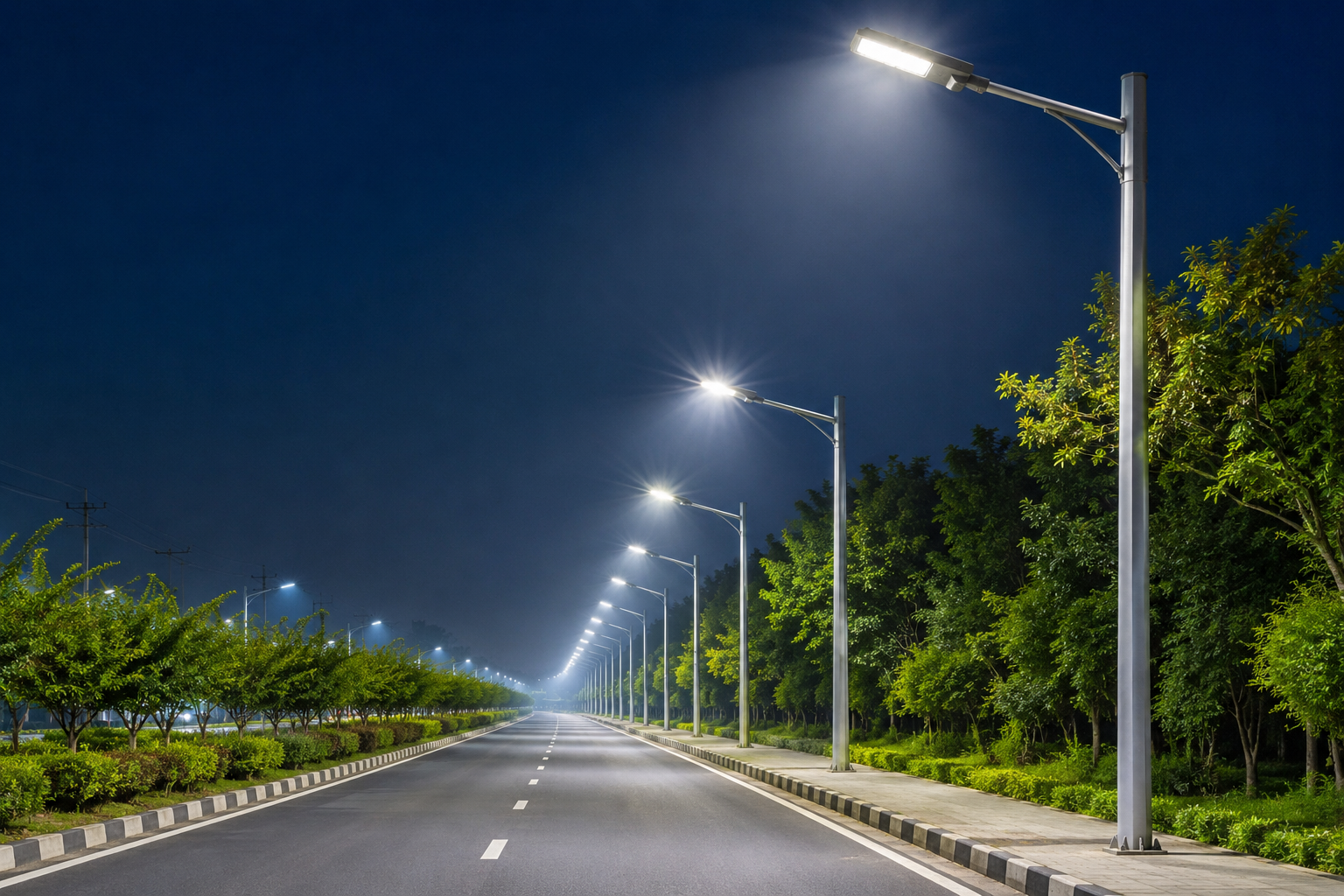
- LED Street Lights — Modern LED luminaires provide high brightness with lower power consumption. Compared to conventional lighting, LEDs offer longer service life, reduced maintenance costs, and better illumination uniformity.
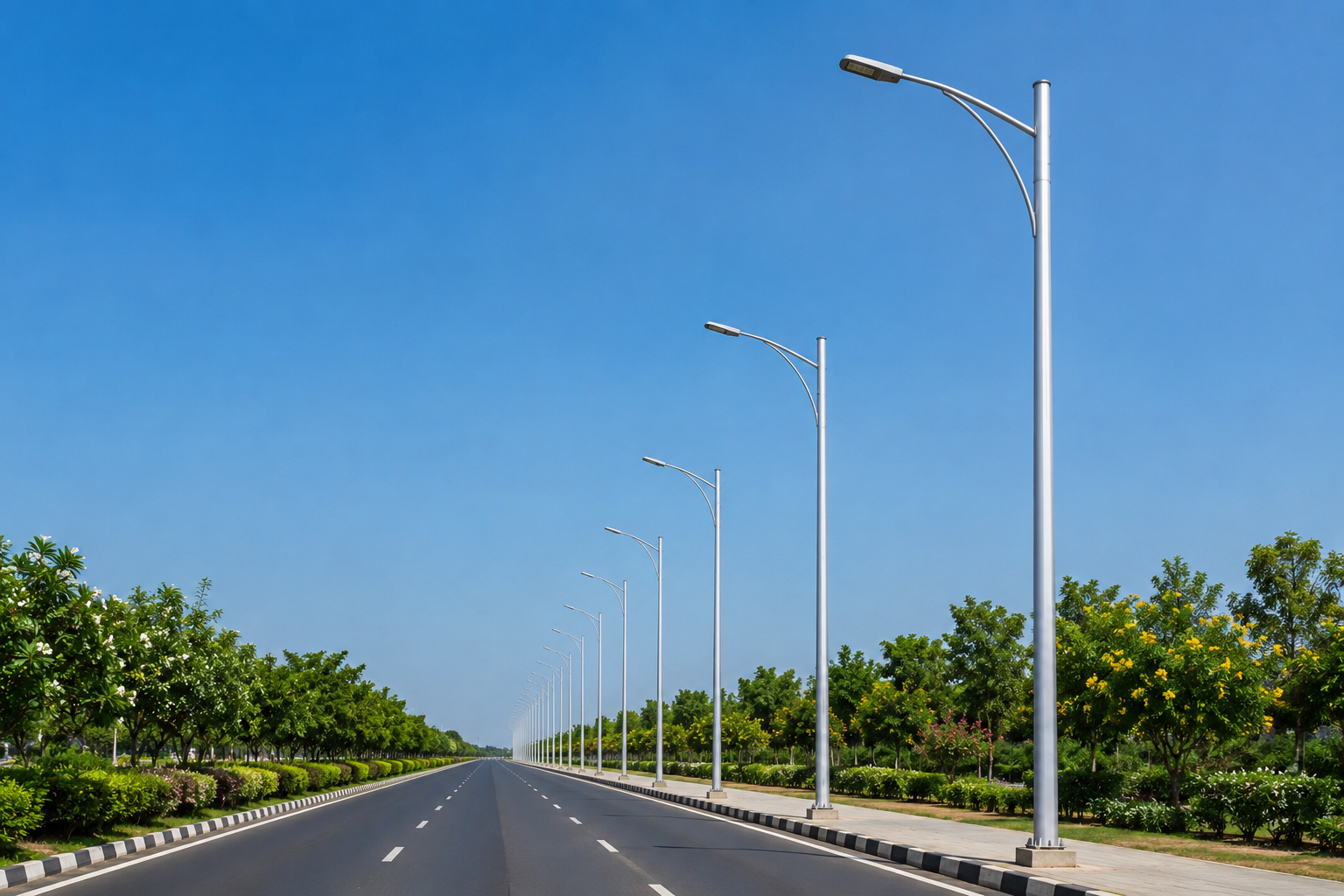
- Street Light Poles — The selection of poles depends on bridge width, wind load, mounting height, corrosion resistance, and structural design. Hot-dip galvanized poles are commonly preferred for long-term durability.
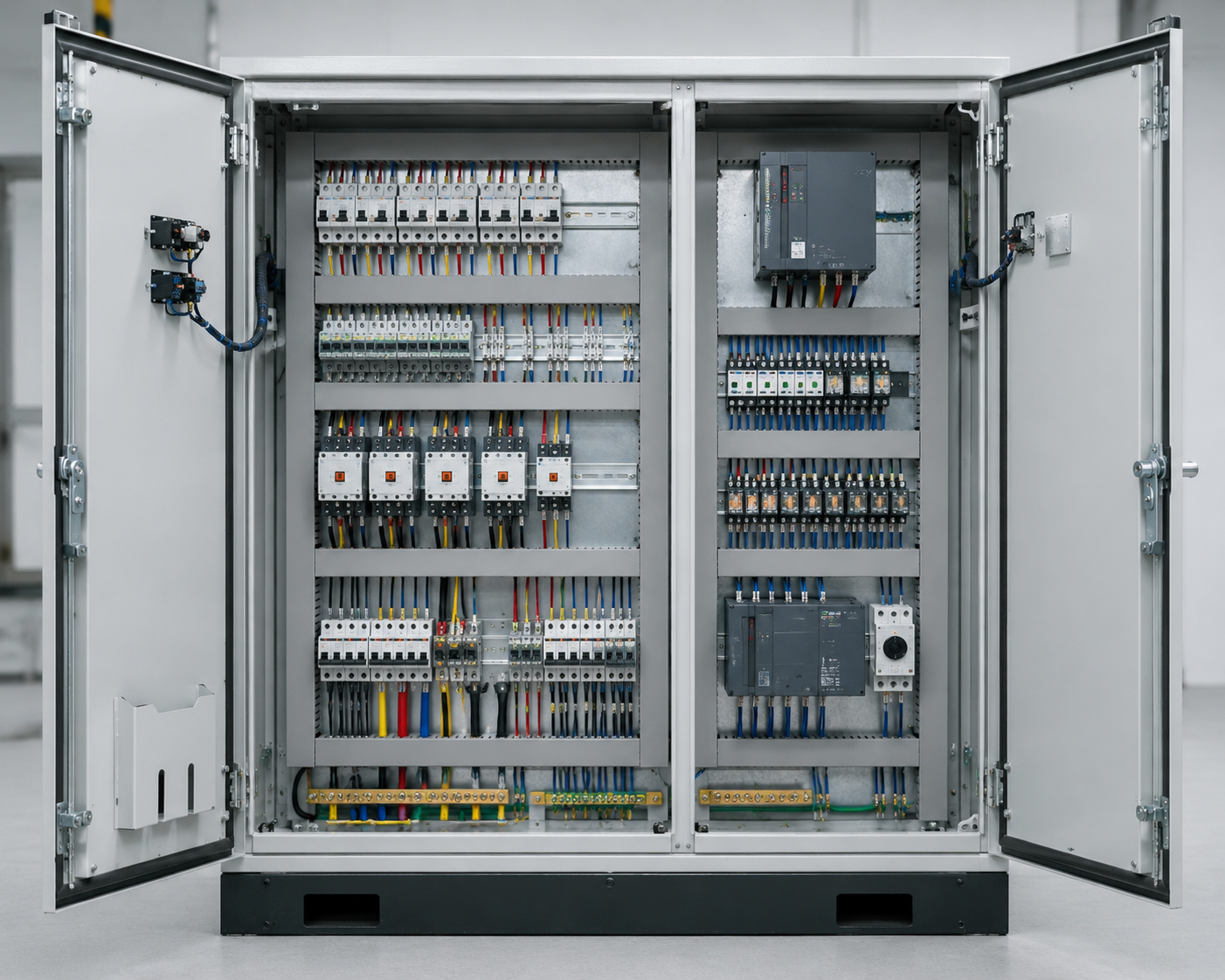
- Electrical Control Panel — An efficient electrical control panel acts as the brain of the entire lighting system. It manages switching operations, power distribution, overload protection, timers, and smart lighting controls. Proper panel design improves safety while minimizing energy consumption.
- Power Distribution Network — Reliable underground or overhead cabling ensures continuous power supply to every lighting fixture. Proper cable routing protects electrical infrastructure from environmental damage.
- Earthing and Lightning Protection — A professionally designed grounding system protects electrical equipment against lightning strikes and electrical faults, ensuring safe operation throughout the year.
3. Bridge Lighting Design Considerations
Every bridge has unique structural and environmental requirements. Therefore, lighting design should always be customized instead of following a standard layout.
Important design factors to consider:
- Lighting Uniformity — Balanced illumination prevents dark spots and glare, allowing drivers to identify obstacles quickly. Uniform lighting significantly improves nighttime driving comfort.
- Pole Placement — Proper spacing and mounting height help achieve consistent illumination while avoiding unnecessary energy consumption.
- Weather Resistance — Bridge lighting equipment should withstand heavy rain, strong winds, humidity, dust, and temperature fluctuations. Selecting weatherproof fixtures increases the system's reliability.
- Energy Efficiency — LED lighting combined with intelligent control systems can significantly reduce electricity usage without compromising visibility.
- Maintenance Accessibility — Lighting fixtures should be installed in locations where inspection and servicing can be carried out safely without disrupting traffic.
4. Importance of Professional Street Light Installation
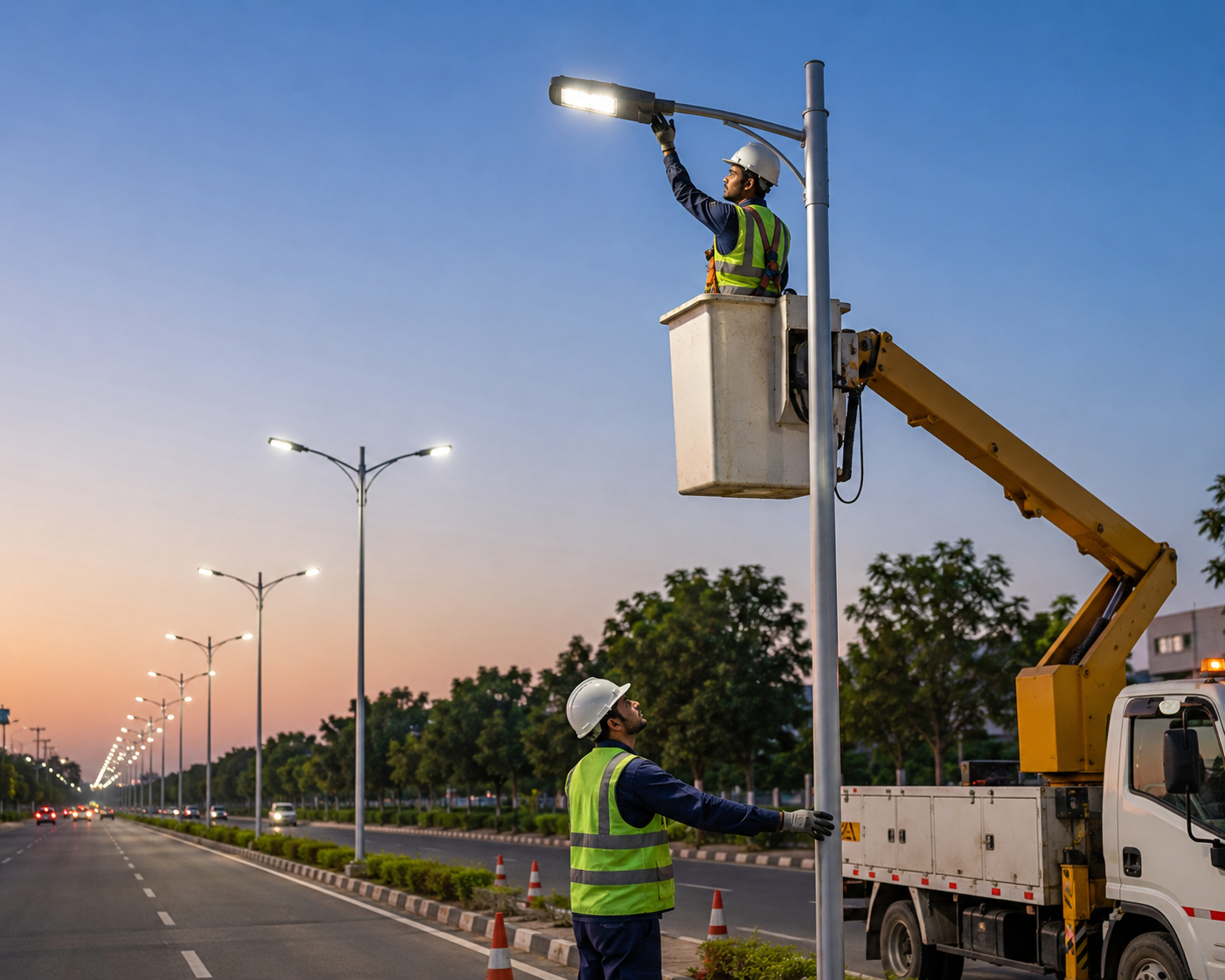
Installing bridge lighting involves electrical engineering, structural coordination, and compliance with government regulations. Professional Street Light installation services ensure that every component is installed accurately, reducing future maintenance costs and improving long-term reliability.
The installation process generally includes:
- Site survey and lighting assessment
- Electrical load calculation
- Pole foundation construction
- Cable laying and routing
- Installation of LED fixtures
- Electrical control panel installation
- System testing and commissioning
- Safety inspection before project handover
Proper installation minimizes electrical failures and ensures optimal lighting performance from day one.
5. The Role of Electrification Services
Bridge lighting projects are a part of broader infrastructure development. Comprehensive electrification service solutions include power distribution, transformer connectivity, cable installation, switchgear integration, and commissioning of electrical systems.
An integrated electrification approach ensures:
- Stable power supply
- Reduced transmission losses
- Safe electrical operation
- Better system efficiency
- Future-ready infrastructure
This holistic planning helps infrastructure authorities avoid costly upgrades later and supports long-term operational excellence.
6. Why Routine Street Light Maintenance Is Essential
Even the most advanced lighting system requires periodic inspections to maintain peak performance. Environmental conditions, electrical wear, and continuous operation can gradually affect lighting efficiency.
Professional Street Light Maintenance Services typically include:
- Inspection of lighting fixtures
- Cleaning LED luminaires
- Pole condition assessment
- Electrical cable testing
- Earthing verification
- Control panel servicing
- Replacement of damaged components
- Preventive maintenance schedules
Regular maintenance helps identify potential issues before they become major failures, reducing downtime and extending the life of the entire lighting system.
7. Common Challenges in Bridge Lighting Projects

Bridge environments present unique engineering challenges that require specialized expertise.
- High Wind Loads — Lighting poles and fixtures must withstand strong winds without compromising structural stability.
- Corrosion — Bridges located near coastal areas or industrial zones require corrosion-resistant materials to ensure long-term durability.
- Limited Maintenance Access — Many bridges have restricted access, making maintenance planning an essential part of the design process.
- Electrical Safety — Moisture, vibration, and environmental exposure demand robust electrical protection systems to prevent failures.
Professional planning addresses these challenges while ensuring reliable long-term operation.
8. Benefits of Hiring a Government Approved Electrical Contractor
Large infrastructure projects require strict compliance with technical standards, electrical codes, and government regulations. Working with a Government Approved Electrical Contractor provides confidence that the project follows approved engineering practices and quality standards.
Advantages of working with a government approved contractor:
- Compliance with government specifications
- Certified installation practices
- High-quality electrical materials
- Improved project safety
- Reliable documentation and testing
- Better long-term system performance
This is especially important for government, municipal, highway, railway, and industrial bridge projects where accountability and documentation are critical.
9. Choosing the Right Electrical Contractor
Selecting the right contractor is one of the most important decisions in any bridge lighting project. A capable contractor brings together engineering expertise, quality materials, and project management discipline to deliver results on time and within budget.
Look for a contractor who offers:
- Experience in infrastructure projects
- Skilled engineering team
- End-to-end project execution
- Modern electrical equipment
- Quality assurance processes
- Timely project delivery
- Strong maintenance support
If your project is based in Gujarat, working with an experienced Electrical Contractor in Ahmedabad can ensure faster execution, better local support, and compliance with regional electrical standards.
10. Future of Bridge Lighting Systems
Technology continues to transform bridge lighting with smarter and more sustainable solutions. Infrastructure authorities across India are increasingly adopting next-generation systems to improve efficiency and reduce long-term costs.
Emerging trends in bridge lighting:
- Smart lighting controls with automated switching
- IoT-based remote monitoring systems
- Adaptive brightness control based on traffic and weather
- Solar-powered lighting integration
- Remote fault detection and diagnostics
- Energy analytics for consumption tracking
- AI-driven predictive maintenance scheduling
These innovations improve operational efficiency while reducing energy consumption and maintenance costs, making bridge lighting systems smarter and more future-ready.
Conclusion
A professionally designed bridge lighting system is an essential investment in road safety, infrastructure reliability, and long-term operational efficiency. From planning and electrical design to installation and routine maintenance, every stage plays a vital role in ensuring consistent lighting performance and public safety. Choosing experienced professionals for Street Light installation services, Street Light Maintainance Services, Electrification service, and Electrical control panel integration helps maximize system reliability while minimizing operational costs. Whether the project involves highways, railways, flyovers, or urban infrastructure, working with a Government Approved Electrical Contractor ensures quality workmanship and compliance with industry standards. For organizations seeking dependable electrical infrastructure solutions, Sahjanand Engicon LLP delivers comprehensive expertise in bridge lighting, electrical installations, and infrastructure electrification, helping clients build safer, smarter, and more sustainable projects.