
EPC Company in India: A Complete Guide to Engineering, Procurement and Construction
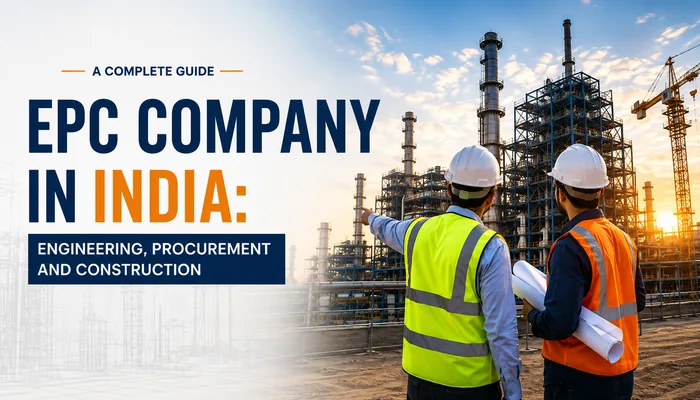
India's industrial and infrastructure sectors are growing rapidly. From manufacturing facilities and power infrastructure to railway development, commercial projects, and public infrastructure, modern projects require careful planning and coordinated execution. Managing different contractors, suppliers, engineers, and construction teams separately can often make project delivery more challenging.
This is why many organisations prefer working with an experienced EPC Contractor in India. The EPC model provides an integrated approach where a single company manages important stages of a project, including engineering, procurement, construction, and final project delivery.
An experienced EPC Company in India can help clients coordinate complex requirements while maintaining focus on quality, safety, project schedules, and technical standards. This guide explains the complete EPC process, its benefits, and the role of professional EPC services in delivering industrial and infrastructure projects successfully.
What Is Engineering, Procurement and Construction?
Engineering Procurement Construction, commonly known as EPC, is a project delivery model in which one contractor takes responsibility for designing, planning, procuring, and executing a project.
The EPC process generally consists of three major stages:
- Engineering: Project planning, technical design, drawings, and specifications.
- Procurement: Purchasing and managing the materials, equipment, and resources required for the project.
- Construction: Executing civil, electrical, structural, mechanical, and installation activities.
Depending on the project requirements, the EPC contractor may also manage quality inspections, testing, commissioning, documentation, and final handover.
The main advantage of the Engineering Procurement Construction model is that different stages of the project are managed through a coordinated approach. Instead of working with multiple independent vendors, the client can rely on one project partner for integrated execution.
How Does an EPC Project Work?
Although every project has unique requirements, most EPC projects in India follow a structured process from initial planning to final handover.
1. Project Planning and Requirement Analysis
The first stage involves understanding the client's requirements, project objectives, site conditions, technical specifications, and expected timeline.
During this stage, the project team may conduct site assessments and identify potential challenges that could affect construction or installation activities.
Proper planning helps create a clear roadmap for engineering, procurement, and execution.
2. Engineering and Detailed Design
Engineering is one of the most important stages of an EPC project. Before construction begins, detailed technical planning is required to ensure that the project can be executed efficiently.
Engineering activities may include:
- Site surveys and technical studies
- Detailed drawings and layouts
- Equipment selection
- Material specifications
- Load calculations
- Structural planning
- Electrical system design
- Safety planning
A professional EPC team ensures that engineering plans are properly coordinated with procurement and construction requirements.
3. Procurement and Material Management
Once engineering requirements are finalised, the procurement process begins. Materials, equipment, and services are sourced according to approved specifications.
Procurement activities can include:
- Vendor selection
- Supplier coordination
- Material purchasing
- Equipment procurement
- Quality inspections
- Delivery planning
- Logistics coordination
Effective procurement is essential because delays in material availability can directly affect the construction schedule.
An experienced EPC Contractor in India coordinates procurement activities with the overall project plan to support smooth execution at the project site.
4. Construction and Project Execution
The construction stage transforms engineering plans into physical infrastructure. Depending on the project, this may include civil works, structural fabrication, electrical installation, equipment erection, cable laying, foundations, and other site activities.
A professional Industrial EPC Contractor coordinates manpower, machinery, materials, engineers, and site supervisors throughout the execution process.
Regular monitoring is important to ensure that construction work follows approved technical drawings, specifications, safety requirements, and quality standards.
Why Choose a Turnkey EPC Contractor?
Managing a complex project through multiple vendors can create coordination challenges. A Turnkey EPC Contractor simplifies this process by providing an integrated solution from initial planning to final handover.
The turnkey approach gives clients a single point of responsibility for different project activities.
Better Coordination
Engineering, procurement, and construction teams work according to one coordinated project plan. This can reduce communication gaps between different contractors and departments.
Improved Project Control
A single EPC team can monitor project schedules, resources, materials, and execution activities more effectively.
Reduced Client Coordination
Instead of managing separate contractors for engineering, procurement, and construction, clients can work with one primary project partner.
Quality Management
An integrated project approach makes it easier to implement quality checks throughout different stages of execution.
For large industrial and infrastructure developments, working with a Turnkey EPC Contractor can provide a more organised approach to project delivery.
The Role of EPC Project Management
Successful projects require more than technical expertise. They also require effective planning, communication, monitoring, and decision-making.
Professional EPC Project Management helps coordinate every important stage of project execution. It connects engineering teams, procurement departments, suppliers, construction teams, and clients through a structured management process.
Important areas of EPC Project Management include:
- Project scheduling
- Resource planning
- Budget monitoring
- Procurement coordination
- Quality control
- Safety management
- Risk assessment
- Progress monitoring
- Client communication
Effective project management helps identify potential challenges early and allows teams to take corrective action before they significantly affect the project timeline.
This is particularly important for large and technically complex EPC projects in India, where multiple activities may need to be completed simultaneously.
Industrial EPC Projects in India
Industrial projects often involve several technical disciplines working together. Civil construction, electrical systems, structural works, equipment installation, and utility infrastructure must be carefully coordinated.
An experienced Industrial EPC Contractor can support a wide range of industrial developments, including:
- Manufacturing facilities
- Industrial plants
- Factory expansion projects
- Warehouses
- Industrial sheds
- Electrical infrastructure
- Utility systems
- Equipment foundations
- Structural works
Industrial projects require detailed planning because delays in one activity can affect other parts of the project.
For example, equipment installation may depend on completed foundations, while electrical installation may depend on structural and mechanical work being completed first.
A coordinated EPC approach helps manage these dependencies and supports smoother project execution.
Infrastructure EPC Projects and Their Importance
India continues to invest in transportation, energy, urban development, and public infrastructure. As projects become larger and more technically demanding, professional execution and coordination become increasingly important.
Infrastructure EPC projects can include:
- Roads and highways
- Railway infrastructure
- Power distribution systems
- Electrical networks
- Street lighting projects
- Utility infrastructure
- Drainage systems
- Urban development projects
- Public infrastructure facilities
These projects often require coordination between government authorities, consultants, engineers, suppliers, and construction teams.
An experienced EPC Company in India can manage different stages of these projects through a structured approach that connects planning, procurement, execution, and quality monitoring.
The growing demand for infrastructure EPC projects has also increased the importance of companies that can provide integrated technical and project execution capabilities.
Engineering and Construction Services for Complex Projects
Modern projects require more than basic construction capabilities. Clients often need complete engineering and construction services that can support the project from the planning stage through final completion.
These services may include:
- Project planning
- Engineering and design
- Procurement coordination
- Civil construction
- Structural works
- Electrical installation
- Equipment erection
- Site supervision
- Quality inspections
- Testing and commissioning
Integrated engineering and construction services help ensure that different project activities are properly connected.
For example, engineering decisions directly affect material procurement, while procurement schedules can influence construction timelines. When these activities are managed through a coordinated system, project teams can respond more effectively to changing requirements.
The Importance of Testing & Commissioning Services
Completing construction and installation work is not always the final stage of an EPC project. Before a system or facility becomes operational, it must be inspected and tested.
Professional Testing & Commissioning Services help verify that installed systems and equipment perform according to approved technical requirements.
Depending on the type of project, the process may include:
- Equipment inspections
- Electrical testing
- Cable testing
- Functional testing
- Safety checks
- Performance verification
- System integration testing
- Load testing
Testing & Commissioning Services are particularly important for electrical and industrial projects because they help confirm that systems are ready for safe and reliable operation.
The results of these tests are generally documented before the final project handover.
Benefits of Working with an EPC Company in India
Working with a professional EPC partner can offer several advantages for businesses and organisations managing complex projects.
Single Point of Responsibility
The client can work with one company for major stages of the project rather than coordinating multiple independent contractors.
Better Coordination Between Teams
Engineering, procurement, and construction activities can be planned together.
Improved Quality Control
Quality checks can be implemented throughout the project lifecycle.
Efficient Resource Management
Project teams can coordinate manpower, materials, equipment, and schedules more effectively.
Structured Project Execution
A professional EPC Company in India follows a systematic approach to planning, monitoring, and completing project activities.
These benefits make the EPC model suitable for industrial developments, electrical infrastructure, and large construction projects.
How to Choose the Right EPC Contractor in India
Choosing the right EPC partner is an important decision because the contractor may be responsible for multiple stages of the project.
Before selecting an EPC Contractor in India, consider the following factors:
Relevant Project Experience
Choose a company with experience in projects similar to your requirements.
Technical Expertise
The contractor should have the engineering knowledge required to understand and manage technical project requirements.
Project Management Capability
A structured project management system is important for monitoring timelines, resources, procurement, and construction activities.
Skilled Workforce
Experienced engineers, supervisors, technicians, and site teams can contribute to better project execution.
Quality and Safety Standards
The company should follow appropriate quality control and safety practices throughout the project.
Procurement Capability
Reliable procurement planning and supplier coordination can help reduce delays caused by material shortages.
Testing and Final Handover
The EPC company should have the capability to coordinate inspections, testing, commissioning, documentation, and final project handover.
Selecting the right contractor based on experience, technical capability, and project requirements can contribute significantly to successful project delivery.
The Future of EPC Projects in India
India's continued focus on industrial growth, energy development, transportation, manufacturing, and urban infrastructure is creating opportunities for the EPC sector.
As projects become more complex, businesses increasingly require integrated solutions rather than separate contractors for every stage of development.
The EPC model provides a practical framework for coordinating engineering, procurement, construction, and final commissioning under one organised project structure.
With effective planning and professional execution, EPC projects in India can support the development of modern industrial facilities and essential infrastructure.
The demand for reliable project delivery is expected to remain important as organisations continue investing in new facilities, electrical infrastructure, transportation networks, and other development projects.
Conclusion
Selecting the right EPC Company in India can make a significant difference in the successful delivery of industrial and infrastructure projects. The Engineering Procurement Construction model brings together engineering, procurement, construction, project coordination, and final commissioning under a structured execution approach.
Whether a project requires an Industrial EPC Contractor, a Turnkey EPC Contractor, professional EPC Project Management, or reliable Testing & Commissioning Services, choosing an experienced project partner can help improve coordination, quality control, safety, and project execution.
Sahjanand Engicon LLP provides integrated project solutions for industrial, electrical, railway, civil, and infrastructure requirements. With a focus on professional execution and coordinated project delivery, the company supports clients from project planning and engineering through procurement, construction, testing, commissioning, and final handover.
Frequently Asked Questions
What does EPC stand for?
EPC stands for Engineering Procurement Construction. It is a project delivery model where one contractor manages engineering, material procurement, construction, and other project activities.
What does an EPC Contractor in India do?
An EPC Contractor in India can manage engineering, procurement, construction, installation, project coordination, quality checks, and final commissioning based on the project scope.
What is a Turnkey EPC Contractor?
A Turnkey EPC Contractor provides an end-to-end project solution and manages the project until it is completed and ready for handover.
Why is EPC Project Management important?
EPC Project Management helps coordinate project schedules, resources, procurement, construction activities, quality control, safety procedures, and communication between stakeholders.
Which projects can use EPC services?
EPC services can be used for industrial facilities, manufacturing plants, electrical infrastructure, railway projects, utility systems, and infrastructure EPC projects.
What are Testing & Commissioning Services?
Testing & Commissioning Services involve inspecting and testing installed systems and equipment to ensure they are functioning correctly before final project handover.
How do I choose the right EPC Company in India?
Look for relevant experience, technical expertise, skilled manpower, project management capability, quality standards, safety practices, procurement strength, and experience with projects similar to your requirements.