
EPC Project Management: Process, Benefits and Best Practices
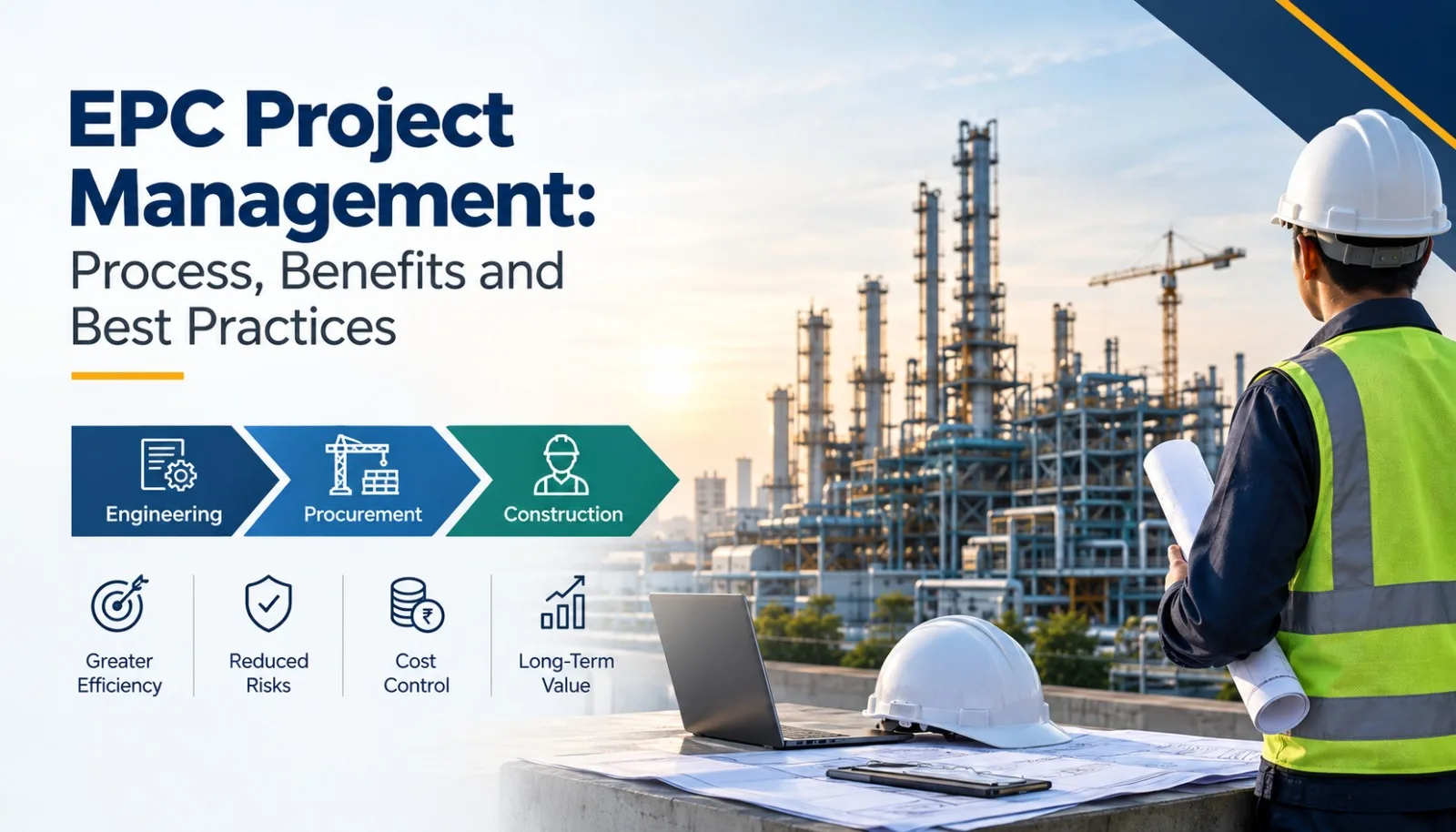
Engineering, procurement, and construction projects involve multiple teams, suppliers, technical requirements, timelines, and site activities. Without proper coordination, even a well-designed project can face delays, cost increases, quality issues, or communication gaps. This is where EPC Project Management plays an important role.
EPC project management brings engineering, procurement, construction, testing, commissioning, and project handover together under a structured management approach. It helps project teams coordinate resources, monitor progress, manage risks, and maintain quality throughout the project lifecycle.
For industrial and infrastructure projects, effective project management can create better coordination between the client, engineers, suppliers, contractors, and site teams. A well-planned approach also helps ensure that project objectives are clearly understood before execution begins.
What Is EPC Project Management?
EPC stands for Engineering, Procurement, and Construction. Under the EPC model, the contractor manages the major stages required to deliver a completed project to the client.
EPC Project Management involves planning, coordinating, executing, monitoring, and controlling these activities from the initial project stage through final handover. It connects technical planning with procurement, construction, testing, and commissioning so that different teams can work toward the same project objectives.
The main purpose is not simply to complete individual activities. It is to ensure that the entire project moves forward in a coordinated manner while maintaining control over scope, schedule, cost, quality, safety, and resources.
An EPC contractor may also act as a single point of coordination for multiple project functions. This can simplify communication and reduce the challenges that may arise when different contractors are independently responsible for separate parts of a project.
EPC Project Management Process
A structured EPC project management process helps transform project requirements into an executable plan and then into a completed facility or infrastructure system.
Although the exact process can vary depending on project size and industry, the major stages generally include the following.
1. Project Initiation and Requirement Analysis
The process starts with understanding the client's requirements, project objectives, site conditions, technical specifications, budget expectations, and expected completion schedule.
During this stage, the project team reviews the scope and identifies major deliverables. Site surveys, feasibility assessments, preliminary studies, and initial planning may also be carried out depending on the project.
A clearly defined scope at the beginning helps reduce misunderstandings and unnecessary changes during later stages.
2. Engineering and Detailed Design
Engineering converts project requirements into practical technical solutions. This stage may include site surveys, engineering calculations, technical drawings, equipment specifications, layouts, BOQs, and project documentation.
Different engineering disciplines may need to coordinate closely. For example, civil, electrical, structural, mechanical, and instrumentation requirements can affect one another.
Strong engineering coordination is important because design decisions can influence procurement requirements, construction activities, project costs, and the overall schedule.
3. Procurement and Material Planning
After the technical requirements are established, procurement focuses on sourcing the equipment, materials, and services required for project execution.
A well-planned procurement strategy considers:
- Approved suppliers and vendors
- Technical specifications
- Material quality
- Purchase schedules
- Lead times
- Inspection requirements
- Transportation and logistics
- Delivery to the project site
Procurement must remain closely connected with engineering and construction schedules. Delayed delivery of important equipment or materials can affect site activities and the overall project timeline. Strategic procurement planning and supplier coordination are therefore important parts of effective EPC management.
4. Construction and Installation
The construction stage turns approved designs and procured materials into physical project assets.
Depending on the project scope, activities may include civil construction, structural fabrication, equipment installation, electrical installation, cable laying, erection work, infrastructure development, and other site activities.
Project managers coordinate site teams, subcontractors, materials, equipment, safety requirements, quality inspections, and daily progress.
Regular progress monitoring helps identify delays or resource requirements early and allows the project team to take corrective action.
5. Testing and Commissioning
Construction completion does not automatically mean that a project is ready for operation. Systems and equipment need to be checked, tested, and commissioned before final handover.
Testing & Commissioning Services may include inspection, pre-commissioning checks, equipment testing, electrical testing, system verification, functional testing, and performance checks according to project requirements.
This stage helps confirm that installed systems are operating as intended and meet the required technical and safety standards.
6. Handover and Project Closure
The final stage involves completing documentation, resolving outstanding work, conducting final inspections, and handing the completed project over to the client.
Depending on the project, handover documentation can include as-built drawings, test reports, equipment documents, operation manuals, inspection records, and other required project information.
A structured handover process helps the client move from project execution to regular operation with the necessary technical information and documentation.
EPC Project Planning and Execution
Effective EPC project planning and execution requires coordination between several activities that may happen simultaneously.
A project management team generally establishes:
- Project scope and deliverables
- Work breakdown structure
- Project schedule
- Resource requirements
- Procurement plan
- Cost estimates and budget controls
- Quality requirements
- Safety procedures
- Risk management plans
- Communication processes
- Testing and commissioning requirements
Planning should continue throughout the project rather than being treated as a one-time activity. As work progresses, the team may need to update schedules, manage changes, review risks, and coordinate resources according to actual site conditions.
Good project planning also creates clear responsibilities for different teams and helps stakeholders understand project priorities.
Benefits of Effective EPC Project Management
A structured approach to project management can provide several benefits for industrial and infrastructure projects.
Better Coordination
Engineering, procurement, construction, and commissioning teams need to work together. Effective management creates a clear communication structure and helps different teams understand how their activities affect the overall project.
Improved Schedule Control
Project schedules allow teams to monitor milestones and identify activities that may affect completion dates. Early identification of delays can provide opportunities for corrective action.
Better Cost Management
Planning and monitoring help project teams track resource requirements, procurement costs, changes, and project progress. Better visibility can support more informed cost-control decisions.
Reduced Project Risks
Projects can face technical, commercial, supply, safety, and execution risks. A structured risk management approach helps identify potential issues early and develop appropriate mitigation measures.
Consistent Quality
Quality requirements should be considered from engineering and procurement through construction and testing. Regular inspections, documentation, testing, and approvals help maintain project quality.
Single-Point Coordination
Working with an EPC Company in India can provide clients with a coordinated approach to engineering, procurement, construction, and project execution. Instead of managing multiple independent activities separately, the client can work through a central project management structure.
EPC Project Management Best Practices
Following practical EPC project management best practices can help improve project execution and reduce avoidable problems.
Define the Scope Clearly
The project scope should be documented clearly before major execution begins. Technical requirements, deliverables, responsibilities, timelines, and acceptance criteria should be understood by the relevant stakeholders.
Maintain Engineering and Construction Coordination
Engineering changes can directly affect procurement and construction. Regular coordination between design and site teams can help identify conflicts and reduce rework.
Plan Procurement Early
Long-lead materials and critical equipment should be identified during the planning stage. Supplier selection, purchase schedules, inspections, and logistics should be aligned with the construction program.
Monitor Progress Regularly
Progress should be measured against planned milestones. Regular meetings and progress reports can help project managers identify delays, resource gaps, or other execution issues.
Manage Changes Carefully
Project changes can affect cost, schedule, materials, and engineering requirements. A controlled change-management process helps ensure that changes are reviewed and communicated before implementation.
Focus on Safety
Safety should remain a priority throughout engineering, procurement, construction, testing, and commissioning. Site procedures, worker training, inspections, and compliance checks help create a safer project environment.
Maintain Quality Control
Quality checks should not be limited to the final stage. Materials, engineering documents, construction activities, installations, and testing should be reviewed at appropriate stages of the project.
Use Project Data for Decision-Making
Schedules, progress reports, procurement tracking, quality records, and risk registers can provide valuable information about project performance. Using reliable project data helps managers identify issues and make timely decisions.
Role of an EPC Contractor in Project Management
An EPC Contractor in India may be responsible for coordinating multiple aspects of project delivery, depending on the contract scope.
The contractor may manage engineering teams, procurement activities, suppliers, construction teams, subcontractors, quality control, safety requirements, testing, commissioning, and project documentation.
For large industrial projects, an Industrial EPC Contractor can provide coordinated execution across different technical and construction activities.
The exact responsibilities depend on the project contract, technical scope, industry requirements, and client expectations.
EPC Project Management vs Traditional Project Execution
One of the key differences between an EPC approach and traditional project execution is the level of integration.
In a traditional model, the client may need to coordinate separate design consultants, material suppliers, construction contractors, and other service providers.
Under an integrated EPC approach, engineering, procurement, and construction are managed as connected parts of the same project delivery model.
A Turnkey EPC Contractor can take responsibility for coordinating the project from initial engineering through construction, testing, commissioning, and handover, depending on the agreed scope.
This integrated approach can simplify coordination and create clearer accountability for project delivery.
Common Challenges in EPC Project Management
Even well-planned projects can face challenges during execution. Some common issues include:
- Changes in project scope
- Delayed engineering approvals
- Procurement delays
- Material availability issues
- Design conflicts
- Unexpected site conditions
- Resource shortages
- Construction delays
- Quality issues
- Safety concerns
- Poor communication between stakeholders
The objective of project management is not to assume that problems will never occur. Instead, effective management focuses on identifying potential issues early, maintaining communication, and taking corrective action before problems have a larger impact on the project.
How to Improve EPC Project Execution
Successful execution requires continuous coordination rather than focusing on individual stages separately.
Project teams should maintain communication between engineering, procurement, construction, quality, safety, and commissioning functions. Critical materials should be tracked, construction progress should be monitored, and technical changes should be documented.
Regular project reviews can also help identify whether the project remains aligned with its original scope, schedule, budget, and quality requirements.
Technology can further support project monitoring through digital schedules, document management systems, procurement tracking, progress dashboards, and project reporting tools.
Conclusion
Effective EPC Project Management connects engineering, procurement, construction, testing, commissioning, and handover into one coordinated project execution process. Clear planning, strong communication, risk management, quality control, procurement coordination, and regular progress monitoring can help projects achieve better control over time, cost, safety, and quality.
For industrial and infrastructure projects, choosing an experienced EPC partner can make project coordination more structured and efficient. Sahjanand Engicon provides integrated EPC solutions covering engineering, procurement, construction, testing, commissioning, and project handover for industrial and infrastructure requirements.